
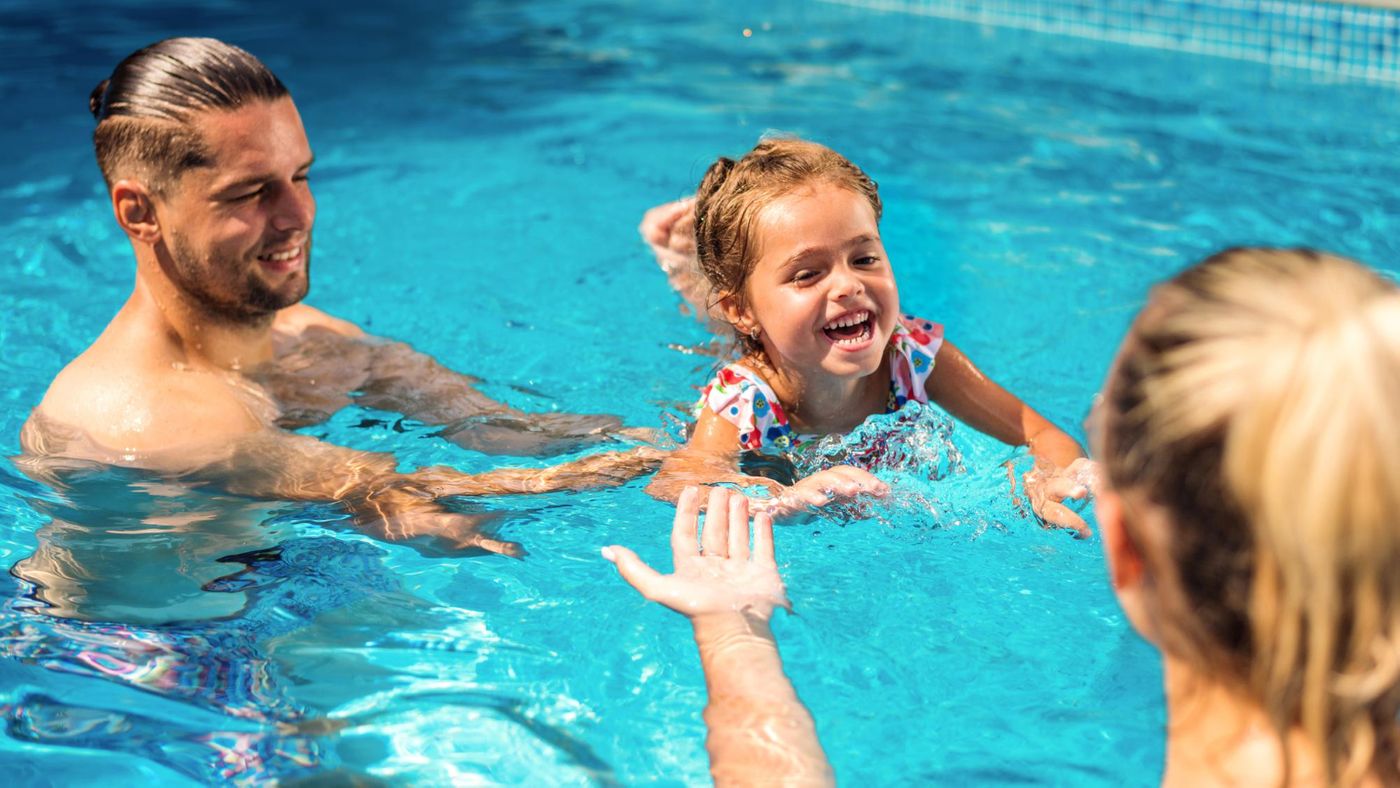
May is National Water Safety Month, making it an important time for families in Tyler to think proactively about swim safety, drowning prevention, and emergency preparedness before summer reaches full swing.
In East Texas, warmer weather quickly brings more time around water. Whether it is afternoons at the neighborhood pool, splash pads, weekends at the lake, summer camps, vacations, or backyard gatherings, many Tyler families spend significantly more time around water once school lets out.
While these moments create lifelong memories, they also reinforce an important reality: water confidence and safety skills should never be taken for granted.
Helping children build stronger swim safety skills, understanding drowning risks, and knowing how to respond during an emergency can all play an important role in helping families stay safer around water.
Why Water Safety Matters in East Texas
Many parents naturally think water safety simply means supervising children at the pool. While supervision is incredibly important, drowning prevention is often more complex than many people realize.
One of the biggest misconceptions about drowning is that it looks dramatic or obvious. In reality, drowning is often silent and can happen in seconds. Children rarely splash or yell for help the way movies portray.
According to the CDC, drowning is one of the leading causes of accidental death for children ages 1 to 4. Even more concerning, many drowning incidents happen while an adult is nearby or assumes someone else is watching.
For Tyler families, water exposure increases quickly during the warmer months.
Children throughout the area may spend time around:
neighborhood pools
backyard pools
lakes and waterfront recreation
splash pads
summer camps
hotel pools during vacations
and family gatherings around water
Because these situations become more frequent throughout spring and summer, helping children build comfort and awareness around water early can make a meaningful difference.
Strong Water Safety Happens in Layers
Many parents naturally assume floaties, shallow water, or simply standing nearby provide enough protection. Unfortunately, accidents often happen during short moments of distraction.
This is why water safety professionals often emphasize a layered approach to prevention.
Important layers of protection include:
active supervision
formal swim instruction
CPR knowledge
safe pool habits
life jackets for boating and open water
pool barriers and alarms
and stronger water awareness
No single layer replaces another. The safest approach combines preparation, supervision, and confidence around water.
Why Swim Lessons Can Make a Major Difference
Many parents initially enroll children in swim lessons because they want them to “learn how to swim.” Over time, many families realize the benefits go much further.
Confidence around water is usually built gradually through repetition and positive experiences.
Small milestones often become major breakthroughs, such as:
learning to float independently
becoming comfortable putting their face underwater
safely reaching the side of the pool
practicing breath control
or staying calmer in unfamiliar situations
While those moments may seem simple, they often become the building blocks for long-term confidence and safety around water.
Many Tyler families choose to start youth swim lessons before summer activities ramp up so children feel more comfortable and prepared around pools, lake trips, camps, and vacations.
For younger swimmers, infant and toddler swim lessons can help introduce water in a safe, structured environment designed to build comfort and familiarity over time.
Why Panic Around Water Can Increase Risk
One of the most overlooked parts of water safety is emotional confidence.
In stressful situations, panic can quickly make even basic swim movements harder to use.
A child who feels overwhelmed may:
struggle to remain calm
forget familiar swim movements
tire more quickly
or have difficulty responding to instructions
Strong swim instruction helps children become more familiar with aquatic environments over time.
Structured swim lessons help children practice:
floating and recovery skills
staying calm in deeper water
safer pool behavior
confidence around unfamiliar environments
and stronger water awareness
The goal is not just learning strokes. The goal is helping children feel safer, calmer, and more prepared whenever water is involved.
What Tyler Families Should Know About CPR and Water Emergencies
CPR can play an important role during a drowning emergency, especially as summer activities increase throughout East Texas.
Because drowning often involves oxygen deprivation, immediate action and restoring breathing become especially important.
The most important thing families should remember is simple:
If someone becomes unresponsive in or near water, call 911 immediately and begin emergency response if trained to do so.
Parents, caregivers, grandparents, babysitters, and camp counselors may benefit from CPR certification through organizations such as the American Red Cross or American Heart Association.
CPR knowledge can:
improve response time
increase confidence during emergencies
help stabilize a situation before first responders arrive
and potentially save a life
Most families hope they never need to use these skills, but many feel more prepared simply knowing they have them.
One Important Thing Parents Do Not Always Realize After a Water Incident
Even if a child appears completely fine after a water scare, medical attention is still important.
After a drowning or near-drowning incident, small amounts of water in the lungs can sometimes lead to delayed breathing complications hours later.
This is why medical professionals often recommend emergency evaluation after a significant water incident, even if a child appears okay at first.
When breathing and oxygen are involved, it is always better to be cautious.
Water Safety Habits Every Tyler Family Should Practice
Swim lessons and supervision are incredibly important, but everyday habits also play a major role in reducing risk.
Practice Active Supervision
Children should never be left unattended around water, even briefly.
Phones, conversations, and distractions can pull attention away faster than many adults realize. Even children who have experience in the water still require supervision.
At the same time, many parents feel greater peace of mind when children are more comfortable and confident around water. While supervision should never replace attentiveness, youth swim lessons can help children build familiarity with water, stronger swim safety skills, and more confidence in aquatic environments.
Do Not Depend Entirely on Floaties
Inflatable arm floaties and pool toys are not substitutes for swim skills or supervision.
While they may help children feel temporarily more comfortable, they can sometimes create a false sense of confidence for both children and adults.
Developing real comfort in the water through structured swim instruction often provides a stronger long-term foundation.
Use Life Jackets When Appropriate
Lake days and boating are popular activities throughout East Texas, especially during summer weekends.
Whenever appropriate, children should wear properly fitted life jackets, especially around unfamiliar or open water environments.
Families preparing for lake trips, vacations, or summer activities often find that youth swim lessons help children feel more prepared around water.
Teach Water Rules Early
Simple habits can make a major difference in reducing risk.
Children should learn:
ask permission before entering water
avoid running near pools
swim with an adult present
and avoid rough play near deeper water
For younger swimmers, repetition matters. Consistent exposure through infant and toddler swim lessons can help reinforce safe habits and comfort around water over time.
Water Confidence Helps Protect the Whole Family
For many families, swim lessons begin as a decision focused on child safety. Over time, parents often realize confidence around water matters for everyone.
Children who feel more comfortable in the water are often more likely to:
remain calmer in unfamiliar situations
enjoy vacations and lake outings
participate more confidently in family activities
and develop healthier long-term habits around water safety
However, a major part of water safety is also a parent’s own confidence around water.
Many adults never fully learned how to swim or never became comfortable in deeper water. As a result, some parents feel nervous around pools, lakes, or emergency situations involving water.
Building stronger swim skills as an adult can help parents feel more prepared not only for themselves, but for their children and loved ones as well.
For adults looking to feel safer and more comfortable around water for both their children and themselves, adult swim lessons can be an incredibly valuable investment.
Make Water Safety a Priority in Tyler
For families throughout Tyler and the surrounding East Texas area, warmer weather means more opportunities to enjoy pools, lakes, camps, and water activities.
Preparing before those moments happen can help families feel safer, more confident, and more comfortable around water throughout the season.
Water should be associated with confidence, fun, and lifelong memories, not fear or uncertainty.
If you are ready to help your child become safer and more confident in the water, explore our swim lesson programs at Hudson Valley Swim Tyler today. Our experienced instructors work with swimmers of all ages and skill levels in a safe, supportive environment designed to build confidence one step at a time.